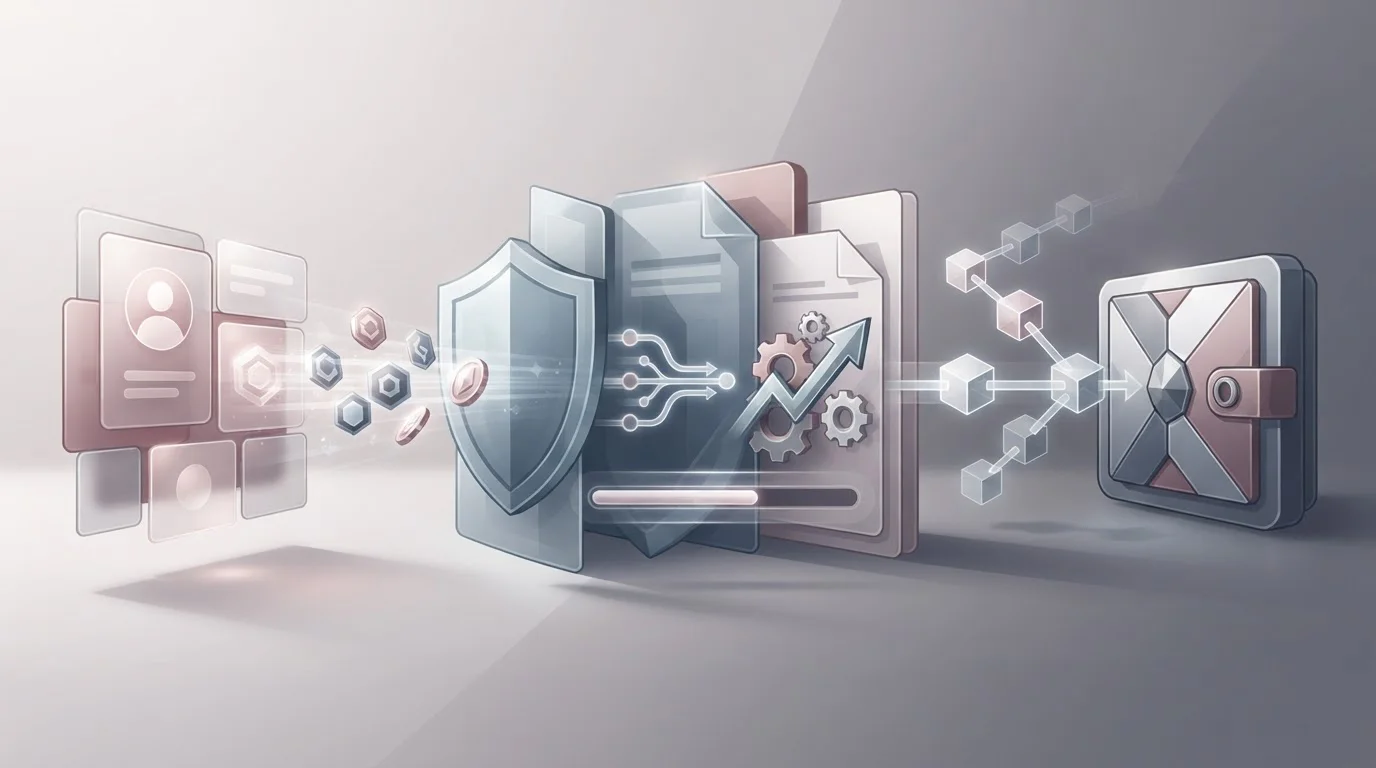
Crypto funding guide
How to Deposit at Cybet in 2026
Cybet is built around crypto deposits. The platform minimum is $1, and the supported asset set includes BTC, ETH, USDT, USDC, SOL, LTC, DOGE, TRX, XRP, BNB, XLM and POL (MATIC). The important part is not just choosing a coin: you also need to match the blockchain route shown in the payment dialog before sending funds.
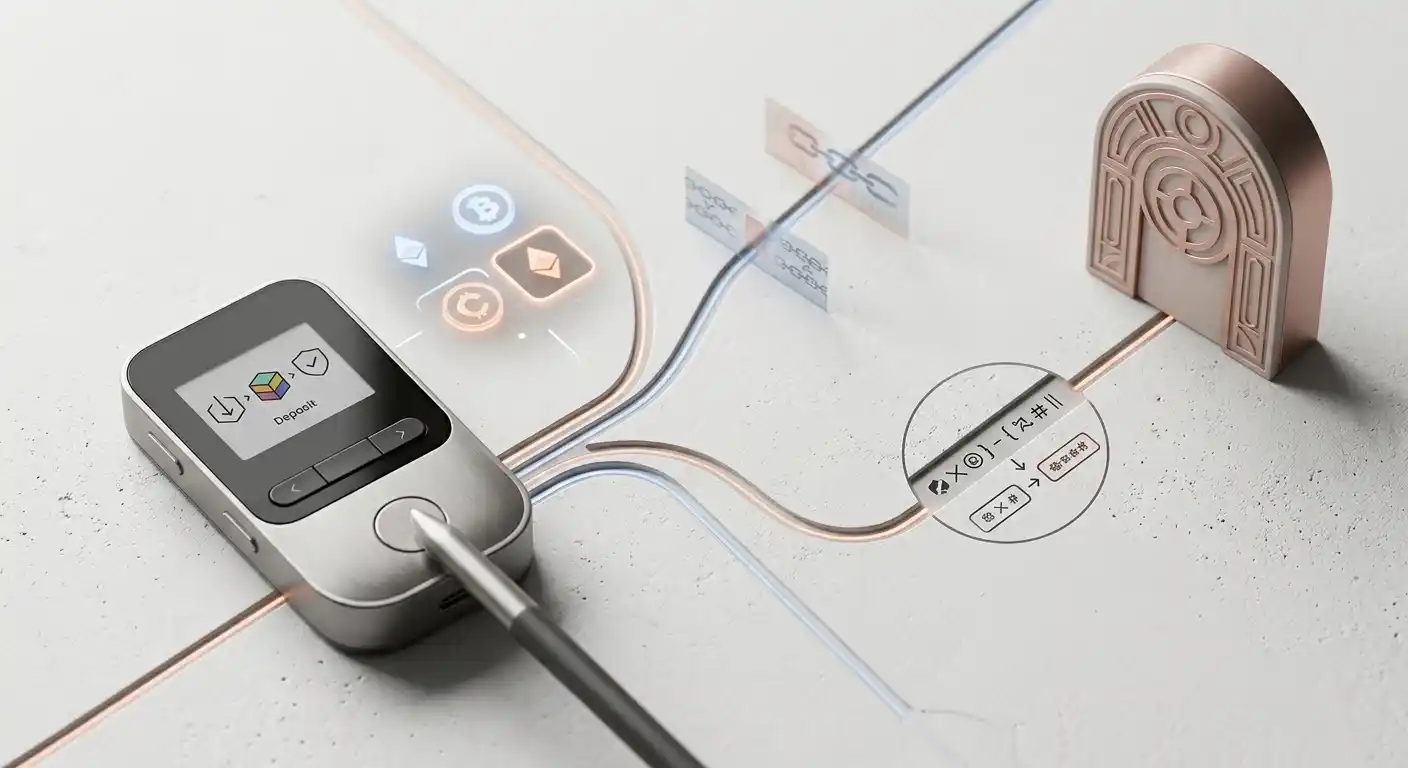
A crypto deposit has two layers: the platform rules and the blockchain transaction itself. Cybet sets the account-side entry point, while your wallet controls the transfer you broadcast. Keeping those layers separate makes the process easier to check and reduces preventable routing mistakes.
The deposit basics
- Minimum deposit$1
- Core assetsBTC, ETH, USDT, USDC, SOL, LTC, DOGE, TRX
- Additional listed assetsXRP, BNB, XLM, POL (MATIC)
- Account protection2FA available
Cybet uses crypto deposits as part of its normal account flow. Registration and funding are tied to on-chain transfers, so a deposit should be treated as a transaction with an external wallet rather than as a card-style payment that can easily be recalled. The broader Cybet payments guide covers deposits and withdrawals together. For inbound transfers, the main task is getting funds into the account without mixing up assets, networks or addresses.
The coin name is only the first check
Tokens such as stablecoins can exist on more than one blockchain. Cybet supports multi-network routing for some assets, with Base, Arbitrum and Polygon among the networks identified in the payment setup. That means a familiar ticker alone is not enough to define the route.
The payment dialog is the routing reference
Open the deposit option first and read the network shown there before setting up the transfer in your wallet. Do not assume that a token always uses the chain you most often use elsewhere.
The $1 floor is a platform threshold
The minimum deposit is $1. It does not remove blockchain-level considerations such as network fees or the possibility that the crypto value changes between preparation and settlement.
Account security belongs in the payment routine
Cybet supports two-factor authentication. Enabling 2FA before moving meaningful value adds a second control to the account side of an otherwise irreversible transfer process.
Choose the asset and network together
Crypto payment mistakes often happen because the sender thinks in terms of the asset while the receiving system expects a specific asset-and-network combination. A wallet may show the same token across several chains, but each route has its own address format, transaction path and network conditions. Cybet’s multi-network setup makes the network selector a functional part of the deposit, not a cosmetic choice.
| Check | Cybet detail | Practical action |
|---|---|---|
| Asset | BTC, ETH, USDT, USDC, SOL, LTC, DOGE, TRX, XRP, BNB, XLM and POL (MATIC) are listed | Select the same asset in both Cybet and the sending wallet. |
| Network | Multi-network routing is supported, including Base, Arbitrum and Polygon | Use the network displayed for that deposit instead of guessing an asset-to-chain mapping. |
| Platform floor | $1 minimum deposit | Keep the transfer above the displayed minimum after considering any wallet-side or network cost. |
| Destination | Deposit address is supplied in the payment flow | Compare the full destination before sending; do not rely on a shortened visual match alone. |
When an asset is offered on several networks, read the deposit screen from top to bottom: asset first, network second, address third. The receiving address only makes sense in the context of the selected route.
A useful habit is to separate the amount check from the routing check. An amount can satisfy the $1 platform minimum and still be sent incorrectly if the network does not match. Conversely, a perfectly matched network does not help if the amount falls below the platform floor after costs outside Cybet are taken into account.
A careful deposit sequence
The safest workflow is deliberately repetitive. Crypto transfers are generally irreversible, so the final verification should happen before the wallet broadcasts the transaction rather than after it.
- Sign in to Cybet and open the deposit area for the crypto asset you intend to use.
- Read the network shown in the payment dialog. If the asset has several possible routes, choose the intended one before copying the address.
- Open the sending wallet and select the same asset and the same network.
- Compare the destination address carefully. A pasted address should be checked against what Cybet displays before you approve the transfer.
- Enter an amount that clears the $1 platform minimum while leaving room for any network-side cost handled by the wallet or blockchain.
- Review the asset, network, address and amount once more, then send. Wait for the blockchain transfer to settle and for the account balance to reflect it.
The final step is intentionally boring. A second comparison of the network and address is more useful than relying on familiarity with a coin. This matters especially with stablecoins and tokens that are common on multiple chains.
Do not treat a familiar token ticker as proof that the route is correct. A blockchain transfer sent over the wrong network can be difficult or impossible to recover, and price movement can change the fiat-equivalent value while the transfer is in progress.
What the $1 minimum changes
A $1 deposit floor makes very small funding scenarios possible at the platform level, but it does not make every small transfer efficient. Suppose a reader wants to move the crypto equivalent of $5. The amount is comfortably above the platform minimum, yet the sensible check is still whether the chosen network’s current transaction cost would consume a meaningful share of that amount. That network cost is not the same thing as a Cybet deposit charge.
Platform threshold
$1 minimum deposit.
Reader scenario
A transfer can be above the platform floor while still being small relative to network costs.
Decision point
Check the live wallet fee and the exact Cybet route before sending.
Risk boundary
The transaction is on-chain, so reversibility should not be assumed.
This distinction is useful because it prevents a common category error. The casino’s minimum tells you whether the platform accepts the amount. The blockchain fee tells you what the transfer itself costs to broadcast. The market value of the asset can move independently of both. Three separate numbers can therefore matter even in a very small deposit.
Secure the account before funding it
Cybet supports 2FA, and the deposit process is a sensible moment to enable it. Crypto deposits move value into an account that can later be used for wagers and withdrawals, so the login layer deserves the same attention as the wallet transaction itself. The dedicated Cybet account guide goes deeper into registration, verification and security.
Before sending
- Use a unique password for the account.
- Enable 2FA before storing a meaningful balance.
- Confirm the selected asset and network in the deposit dialog.
- Check the destination address after pasting it into the wallet.
Keep the boundaries clear
- 2FA protects account access; it does not reverse a mistaken blockchain transfer.
- A low platform minimum does not guarantee low network cost.
- The network shown for one asset should not be assumed to apply to another.
- Crypto value can move between the time you prepare and complete a transfer.
Avoid the common transfer mistakes
The most preventable deposit errors happen before the transaction is sent. A consistent checklist is more useful than speed because blockchain transfers usually cannot be cancelled after broadcast.
- Do not send before the Cybet deposit dialog shows the intended asset and route.
- Do not assume that USDT, USDC or another token uses the same network every time.
- Do not confuse the $1 platform minimum with the final economic cost of the transaction.
- Do not approve the wallet transaction until the destination address has been checked.
- Do not leave account security until after a balance has been funded; 2FA is already available.
If a deposit does not appear when expected, start with transaction-level facts: the asset sent, network used, destination address and transaction identifier. Those details help distinguish an on-chain routing issue from an account-display delay without guessing at the cause.
Cybet deposit questions
What is the minimum deposit at Cybet?
The minimum deposit is $1. Network costs and crypto price movement are separate from that platform threshold.
Which cryptocurrencies can I deposit at Cybet?
The listed set includes BTC, ETH, USDT, USDC, SOL, LTC, DOGE, TRX, XRP, BNB, XLM and POL (MATIC).
Does the network matter when depositing?
Yes. Cybet uses multi-network routing for some assets, including routes involving Base, Arbitrum and Polygon. Match the network shown in the payment dialog with the sending wallet.
Can a crypto deposit be reversed?
Blockchain transfers are generally irreversible once broadcast, so check the asset, network and destination address before sending.
Does Cybet support 2FA?
Yes. Cybet supports two-factor authentication as an account-security control.
Read next
A Cybet deposit works best with a routing routine
The $1 platform minimum makes the entry threshold simple, but the meaningful work happens before the transfer: select the asset, match the exact network, check the destination, account for network cost and secure the account with 2FA. That routine turns a crypto deposit from a one-click assumption into a sequence you can verify before funds leave your wallet.
Written by the editors at Cybet.